
Modern coating systems play a critical role in protecting structures, improving durability, and reducing long-term maintenance costs across industrial, commercial, and architectural applications. In the blog, we examine how coating selection, from corrosion protection on steel and concrete to aesthetic and functional finishes on buildings and landscapes, directly impacts performance and service life. Understanding how different coating families work, and where each performs best, helps engineers, facility managers, and property owners make informed, cost-effective decisions for today’s demanding environments.
Key Takeaways
- Common coating families include epoxy, polyurethane, polysiloxane, zinc-rich, alkyd, acrylic, ceramic, and intumescent systems, each engineered for specific performance demands
- No single coating is “best”; the right choice depends on substrate (steel, concrete, wood, drywall), environment (UV, moisture, chemicals), and required service life
- Epoxies excel as primers and intermediate coats for adhesion and chemical resistance, while polyurethanes and polysiloxanes serve as UV-resistant topcoats
- Zinc-rich and other metallic coatings are critical for long-term corrosion protection of steel in bridges, marine structures, oil & gas, and infrastructure applications
- Proper surface preparation, priming, and film thickness control are as important as coating chemistry for achieving durability and superior performance
Why Coating Type Matters in 2025 Projects
Global corrosion losses still exceed $2.5 trillion annually, with a significant portion of that damage preventable through proper coating selection and application. Whether you’re protecting a coastal bridge, refinishing a warehouse floor, or repainting your home’s exterior, the types of coatings you choose directly impact lifecycle costs, maintenance intervals, and asset longevity. This is where understanding types, applications, and long-term benefits of specialty coatings becomes critical for both industrial and architectural projects.
In this article, “coatings” encompasses both industrial coatings used on steel, concrete, and piping, as well as architectural paints applied to walls, doors, and trim. Surface coatings serve multiple critical functions:
- Corrosion protection – Shielding metal structures from oxidation and galvanic attack
- Chemical resistance – Blocking damage from acids, alkalis, solvents, and process chemicals
- Abrasion resistance – Standing up to foot traffic, forklifts, and mechanical wear
- Fire protection – Providing passive fire resistance through intumescent technology
- Aesthetics – Delivering color, gloss, and texture for branding and visual appeal
- Cleanability – Enabling frequent cleaning in food processing, healthcare, and commercial spaces
We’ll first examine major coating families: epoxy, polyurethane, polysiloxane, zinc-rich, alkyd, acrylic, ceramic, and intumescent, then provide practical guidance on selecting the right system for your specific surface. The goal is to help engineers, facility managers, and homeowners make confident, performance-driven decisions for 2024–2025 projects.
Understanding Organic vs Inorganic Coatings
Before diving into specific coating types, it’s essential to understand the fundamental distinction between organic coatings and inorganic coatings. Organic coatings function like traditional “paint-like” films and are commonly used across specialty coatings for concrete, wood, and metal surfaces where flexibility, appearance, and ease of application are required.
- Organic coatings function like traditional “paint-like” films. They’re applied by brush, roller, or spray, forming continuous protective barriers against moisture, oxygen, and chemicals. Most coatings you’ll encounter in architectural and light industrial applications fall into this category.
- Inorganic coatings (conversion coatings, zinc-rich silicates, anodizing, porcelain enamels) chemically transform or metallize the surface itself. These systems provide exceptional corrosion resistance and heat resistance, particularly at high temperatures where organic binders would degrade.
- When to use each: Organic systems are preferred for indoor machinery, office walls, and plant floors where moderate environmental conditions exist. Inorganic systems dominate on galvanized highway guardrails, offshore structures, and hot surfaces above 400°F (204°C) where organic films would fail.
- Hybrid systems: Many modern coating systems combine both types. A typical steel bridge built after 2010 might feature a zinc-rich inorganic primer under an organic epoxy intermediate coat and polyurethane topcoat, leveraging the strengths of each technology.
Epoxy Coatings
Epoxy coatings are two-component organic coatings consisting of an epoxy resin plus a hardener (typically polyamine-based). When mixed, a chemical reaction forms an extremely hard, chemically resistant paint film that has been the backbone of industrial protection since the mid-20th century.
- Key properties: The epoxy family delivers exceptional adhesion to steel surfaces and concrete, high chemical and abrasion resistance, and proven performance in immersion environments, including tanks, pipelines, and wastewater basins. This makes epoxy coatings the go-to choice for harsh environments where coating properties must withstand continuous exposure.
- Limitations: Epoxies are sensitive to UV radiation. Prolonged exposure to UV rays causes chalking, yellowing, and gloss loss. For exterior structures, they require UV-stable topcoats to maintain appearance and protect the underlying protective layer.
- Application examples: Three-coat epoxy/urethane systems on 2020s highway bridges, epoxy floor systems in distribution warehouses in Houston or Lagos, and tank linings for potable water or aggressive chemicals. The coating material performs exceptionally in these demanding applications.
- Surface preparation requirements: Critical steel work typically requires SSPC-SP 10 / ISO 8501-1 Sa 2½ blast cleaning. Improper prep, not the epoxy chemistry, is the main cause of premature failure. Surface preparation determines whether paint adheres properly and performs to specification.
- System roles: Epoxy serves best as a primer or intermediate coat. Typical systems include an epoxy zinc-rich primer, high-build epoxy intermediate, and, for aggressive chemical environments, epoxy novolac topcoats that withstand extreme temperatures and chemical attack.
Polyurethane Coatings
Polyurethane coatings are tough, flexible topcoats typically applied over epoxy primers and intermediates. They’re the preferred choice when color retention, gloss, and UV resistance are critical to project success. Their use on wind turbine towers, railcars, and industrial floors reflects how specialty coatings improve the durability of various surfaces exposed to weathering and mechanical wear.
- Main advantages: Polyurethane coatings deliver high abrasion resistance, flexibility to handle thermal movement and vibration, good chemical resistance, and excellent gloss/color retention. Aliphatic polyurethanes maintain their appearance for years even under intense sunlight.
- Aliphatic vs aromatic: Aliphatic polyurethanes are specifically formulated for exterior applications, bridges, railcars, and architectural steel, where UV exposure is constant. Aromatic polyurethanes cost less but degrade under sunlight; they’re appropriate for submerged or buried service where UV isn’t a factor.
- Application examples: Polyurethane topcoat systems protect wind turbine towers built after 2015, ship topsides, automotive clear coats, and industrial floors in logistics centers. These applications demand highly durable finishes that maintain appearance despite environmental factors.
- Limitations: Isocyanates in two-component polyurethanes present health hazards during application. Proper PPE and ventilation are non-negotiable. The coatings are also sensitive to humidity and temperature during curing; applying outside recommended windows causes defects.
- When to specify PU: Choose polyurethane topcoats when you need long-lasting appearance (corporate branding colors, safety striping) combined with robust mechanical durability. A high gloss finish from aliphatic PU can last 15+ years before significant fading.
Polysiloxane Coatings
Polysiloxane coatings are hybrid organic-inorganic systems based on silicone chemistry. They’ve gained significant market share since the early 2000s on bridges, ships, and infrastructure, where maximum durability justifies premium pricing.
- Advantages: Exceptional UV and color stability, long-term gloss retention, good chemical and abrasion resistance, and dramatically reduced chalking compared to traditional polyurethane. These coating formulations deliver superior performance in sustained outdoor exposure.
- Reduced coat counts: Epoxy-polysiloxane hybrid systems often enable a two-coat solution (zinc primer + polysiloxane) to replace traditional three-coat systems. This reduces labor costs, downtime, and total project expense while maintaining or improving protection.
- Application examples: U.S. highway bridges repainted with epoxy-polysiloxane since about 2010, offshore platforms in the North Sea, and wastewater plants seeking extended repaint cycles. Coating works in these applications must withstand decades of harsh conditions.
- Drawbacks: Higher coating material cost per gallon, somewhat lower flexibility than pure polyurethanes, and the need for experienced applicators to avoid defects like pinholes. Not every contractor has polysiloxane experience.
- When to specify: Recommend polysiloxanes when owners need 20+ year service lives with minimal color fade in harsh sunlight, desert climates, coastal regions, and high-altitude installations where UV intensity is extreme.
Zinc-Rich Coatings and Metallic Protection
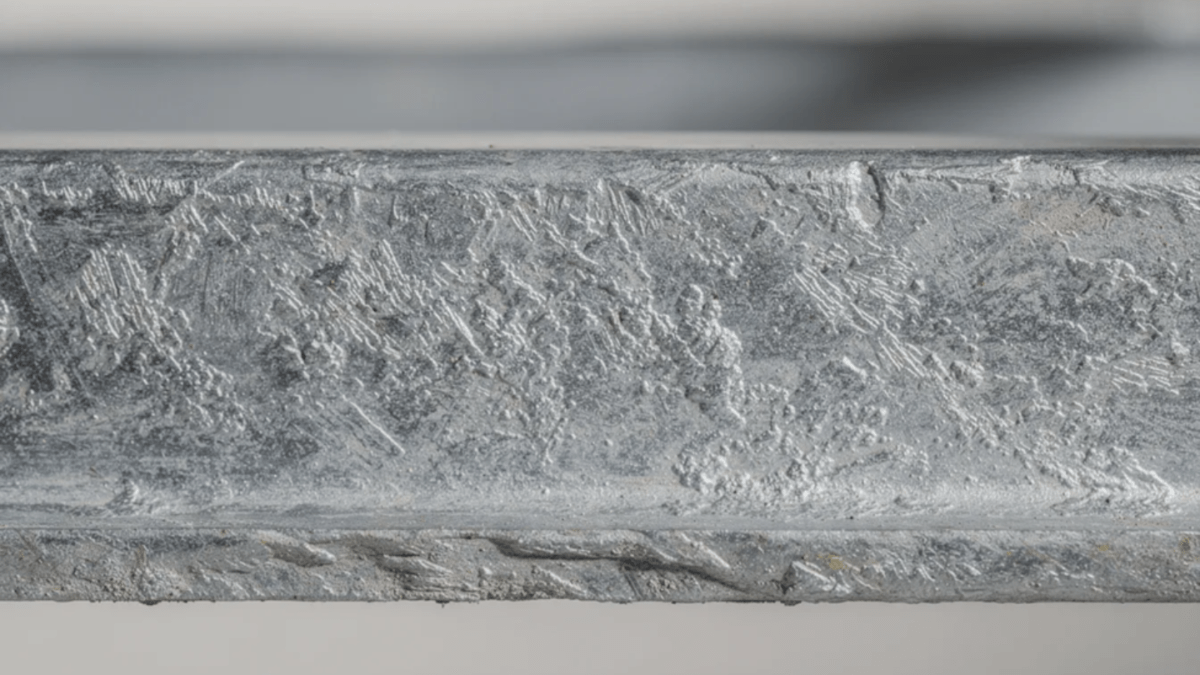
Zinc-rich coating systems represent the gold standard for long-term corrosion resistance on structural steel. These protective coatings contain high loadings of zinc particles that provide sacrificial (galvanic) protection, while hot dip galvanizing creates an actual zinc layer metallurgically bonded to steel.
| System Type | Binder | Best For |
| Organic zinc-rich | Epoxy or PU | General industrial, easier application |
| Inorganic zinc-rich | Silicate | Maximum durability, heat resistance |
| Hot-dip galvanizing | N/A (molten zinc) | Fabricated steel, long-term outdoor |
| Thermal spray zinc | N/A | Field application, large structures |
- Organic vs inorganic zinc: Organic zinc-rich coatings use epoxy or polyurethane binders and are more forgiving during application. Inorganic zinc-rich primers use silicate binders, offering superior abrasion and heat resistance but requiring extremely clean steel (Sa 3 or near-white blast) and controlled humidity.
- How sacrificial protection works: Zinc particles and zinc dust in the primer corrode preferentially, protecting the underlying steel even if the coating is scratched. This galvanic action is crucial on marine structures, offshore jackets, and infrastructure exposed to de-icing salts. The zinc layer continues working until consumed.
- Real-world performance: Hot-dip galvanized streetlight poles installed in the 1990s continue performing with minimal rust. Zinc-rich primers under epoxy/PU systems on bridges and power plants commissioned after 2010 are expected to reach 25+ year service lives before major maintenance.
- Application complexities: Precise surface preparation, film thickness control, and application environment (humidity, temperature) are critical. A zinc primer applied too thick can mud-crack; too thin reduces galvanic protection. Many coatings fail not from chemistry but from poor application control.
- When to specify: Choose zinc-rich primers for new steel in marine, coastal, industrial, or de-icing salt environments where 20-30 year corrosion protection is the target. Asset owners increasingly mandate zinc systems for infrastructure investment protection.
Alkyd and Acrylic Coatings for General-Purpose Use
Alkyd coatings and acrylic coatings represent more economical, user-friendly options for buildings, light industrial equipment, and agricultural structures. These coating types balance performance with accessibility and cost.
- Alkyd coatings: Oil-based paints that cure by oxidation, offering good flow, leveling, and gloss with moderate durability. They’re well-suited to handrails, machinery, and structural steel around warehouses, industrial buildings, and farms where extreme environmental conditions aren’t present.
- Alkyd strengths and weaknesses: Easy to apply with forgiving surface prep requirements on non-critical structures. However, slow drying increases downtime, they tend to chalk and lose gloss under strong UV, and chemical resistance is limited. Volatile organic compounds emissions from alkyd coatings have driven regulatory restrictions in many regions.
- Acrylic coatings: Water-based paints with low odor, fast dry times, and excellent color stability. Latex paints dominate interior paints for residential and commercial walls. Exterior paint applications include cladding, galvanized steel roofs, and masonry where moderate corrosion demands exist.
- Application examples: Latex acrylic wall paints in residential interiors repainted every 5-7 years. Acrylic roof coatings on commercial buildings provide reflective “cool roof” benefits, reducing cooling costs while protecting the membrane.
- Guidance: Use alkyds or acrylics for non-aggressive environments and architectural elements. For heavy industrial, marine, or chemical exposure, upgrade to epoxy/PU systems. Don’t use exterior paint indoors where odor or drying characteristics cause problems, and don’t expect interior paints to handle outdoor UV exposure.
Ceramic and Intumescent Coatings for Special Protection
Some projects demand specialized coatings beyond standard industrial offerings. Ceramic coatings handle extreme heat and provide insulation, while intumescent coatings deliver passive fire protection on structural steel.
- Ceramic coatings: High-performance layers incorporating ceramic or glassy phases that provide thermal insulation, chemical stability, and sometimes non-stick optical properties. Used on exhaust systems, high-temperature pipes, and tanks in petrochemical service. Some systems involve physical vapor deposition for thin-layer precision applications.
- Ceramic service conditions: Temperatures above 400-600°F (204-316°C), aggressive chemical exposure, or combined UV + moisture challenges. Limitations include brittleness and poor performance on structures that flex significantly. Metallic coatings and ceramic systems from materials science advances continue to expand application possibilities.
- Intumescent coatings: These swell dramatically when exposed to fire, up to 50-100 times original thickness, forming an insulating char that protects steel for 30-120 minutes depending on specification. This thin layer of fire protection can mean the difference between structural integrity and collapse.
- Intumescent applications: High-rise office towers built after 2000, petrochemical plants, and public buildings required by fire codes to meet UL 1709 or EN 13381 test standards. These coatings protect surfaces while maintaining aesthetics that traditional spray-applied fireproofing cannot match.
- Professional specification required: Both ceramic and intumescent coatings demand professional specification and inspection. Performance depends on strict film thickness, certification listings, and compatibility with primers and topcoats. These aren’t DIY products.
Choosing the Right Coating for Common Surfaces
With coating chemistry covered, let’s shift to practical guidance: what should you actually use on your specific surface? The following recommendations address the most common scenarios for different surfaces.
Structural Steel (bridges, industrial frames, tanks)
| Environment | Recommended System |
| Coastal/industrial | Zinc primer + epoxy intermediate coat + polyurethane topcoat |
| Mild inland | Epoxy primer + polyurethane or polysiloxane topcoat |
| Immersion/buried | Zinc primer + high-build epoxy or epoxy novolac |
Concrete Floors (warehouses, garages, industrial)
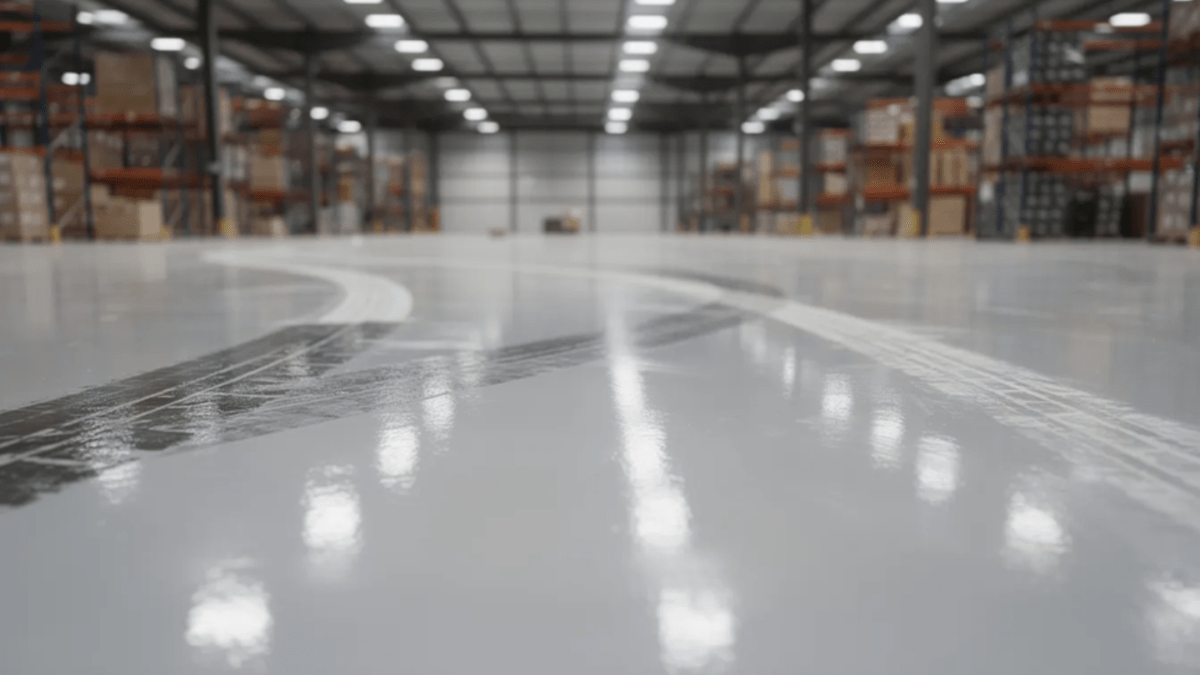
Solvent-free or waterborne epoxy floor coatings with optional polyurethane topcoat for UV resistance. Surface texture affects adhesion; shot-blasting and moisture testing before application are essential. Industrial applications with forklift traffic demand coatings engineered for abrasion.
Interior Drywall and Ceilings (homes, offices)
Low-VOC acrylic or latex paints protect indoor air quality while delivering excellent results. Use matte or eggshell for living spaces, semi-gloss or gloss for kitchens, bathrooms, and corridors requiring frequent cleaning. These coatings hide imperfections while providing durable, washable surfaces on indoor walls and concrete walls alike.
Exterior Building Facades (masonry, stucco, cement board)
High-quality acrylic elastomeric or silicone-modified acrylic coatings bridge small cracks and resist UV, rain, and pollution for 10+ years. These systems handle the expansion and contraction that cause other coatings to fail prematurely.
Decision framework: Create a simple matrix of substrate, exposure (UV, moisture, chemicals, temperature), expected lifetime, and maintenance access. Then select a system balancing performance and budget industrial equipment and metal structures demand more robust systems than office walls.
Key Factors to Consider When Selecting a Coating System
Specifications should never be based on price alone. Coatings technology has advanced significantly, but performance criteria and environment must still drive decisions.
- Environment and exposure: Assess UV intensity, humidity, immersion potential, freeze-thaw cycles, and presence of salts or industrial pollutants. Coastal and industrial atmospheres are far more aggressive than inland environments. These environmental conditions determine whether standard acrylics suffice or whether you need full epoxy/PU/zinc systems.
- Substrate type and condition: Bare steel, weathered galvanized steel, aluminum, concrete, and wood each require specific surface preparation and compatible primers. Paint adheres differently to each compatibility, which is non-negotiable for long-term performance.
- Application constraints: Consider ambient temperature, dew point, access (scaffolding vs rope access vs shop painting), available equipment (airless spray vs brush/roller), and curing time windows around plant shutdowns. Many coatings have narrow application windows.
- Regulatory and safety requirements: VOC limits introduced since the 2000s affect product selection. Fire ratings, potable water approvals (NSF/ANSI 61), and worker safety around isocyanates or solvents add complexity. Volatile organic compounds regulations continue to tighten globally.
- Life-cycle cost and maintenance plan: Weigh initial cost against inspection intervals, expected repaint years (10, 20, 30), and difficulty of future access. A premium three-coat system costing 30% more upfront may save 50% over 25 years compared to cheaper alternatives requiring more frequent maintenance.
Final Thoughts
Modern coating systems play a critical role in protecting assets, reducing maintenance costs, and extending service life across industrial, commercial, and architectural environments. This guide explains the major types of coatings, how they work, where they perform best, and how substrate, exposure, and lifecycle expectations determine the right system for each application.
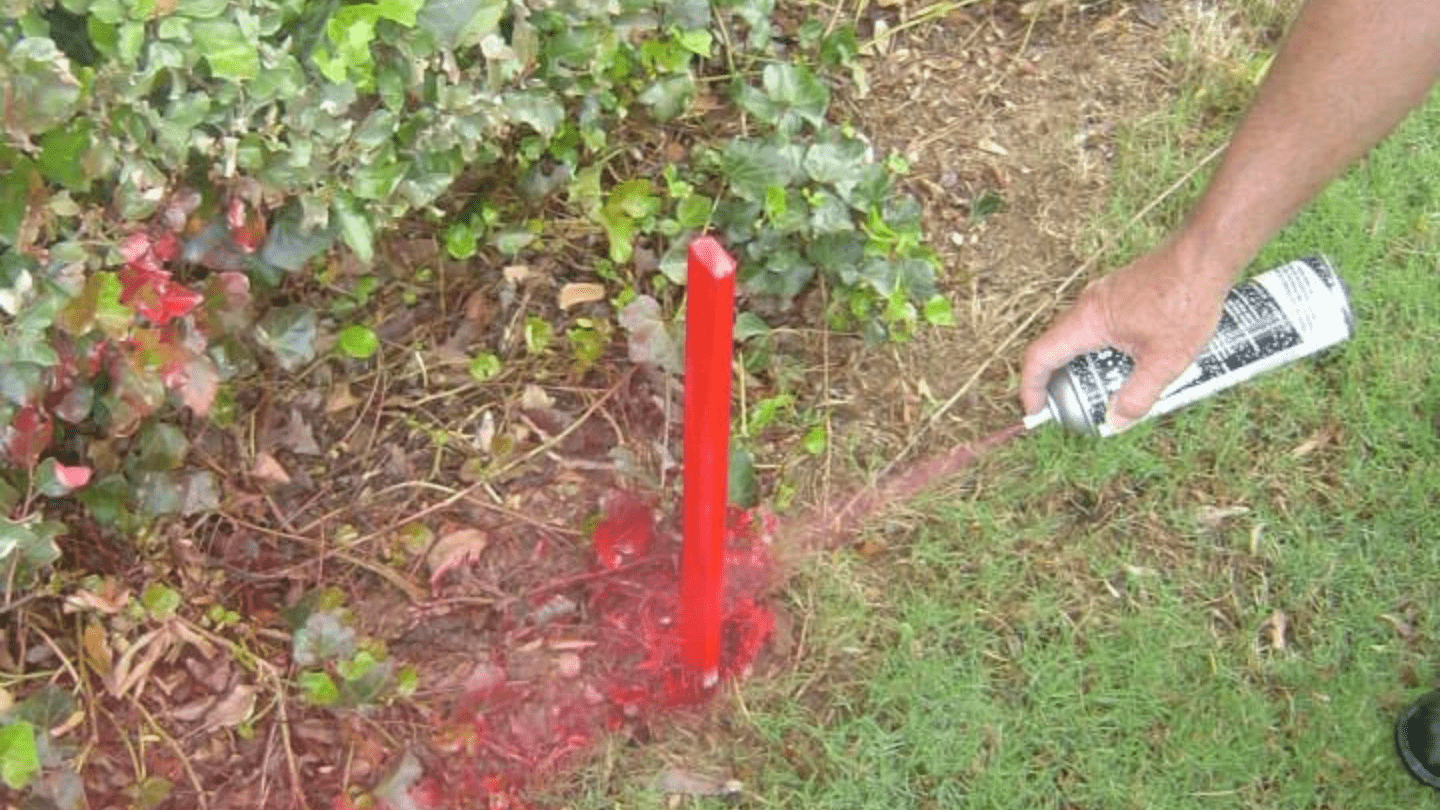
At US SPECIALTY COATINGS, the focus on specialty coatings spans industrial protection, architectural finishes, and purpose-driven solutions engineered for durability, visibility, and performance. From corrosion-resistant systems for steel and concrete to highly specialized products such as grass colorants and landscape dyes, green grass paint colorants, and utility marking paint, coating selection is about matching chemistry to real-world conditions.
Frequently Answered Questions
How often should industrial steel structures be repainted with modern coating systems?
For high-quality three-coat systems on properly blasted steel, expect roughly 15–25 years before major repainting inland and 10–20 years in coastal or industrial zones, with inspections every 3–5 years and timely touch-ups extending service life.
Can I apply a new coating over an old one without completely removing it?
Yes, provided the existing coating is sound and compatible. Clean, degrease, and mechanically prepare the surface, then verify adhesion. Unsound or incompatible layers, such as old alkyds under epoxies, usually require complete removal before recoating.
Are waterborne industrial coatings as durable as solvent-based versions?
Modern waterborne epoxies, acrylics, and polyurethanes can rival many solvent-based coatings, but are more sensitive to temperature and humidity. They may not suit extreme chemical or offshore exposure, so always follow the manufacturer’s performance limits closely.
How do I know if a surface needs a primer before painting?
A primer is typically required on bare metals, galvanized surfaces, aluminum, and new or porous concrete, and when changing coating chemistry or colors. Primers improve adhesion, uniformity, and corrosion resistance, preventing premature coating failure significantly.
What is the main reason coating systems fail earlier than expected?
Poor surface preparation is the primary cause of early coating failure, including inadequate cleaning, rust removal, or residual salts and oils. Incorrect application conditions, film thickness, or unsuitable products also shorten coating service life dramatically.
