
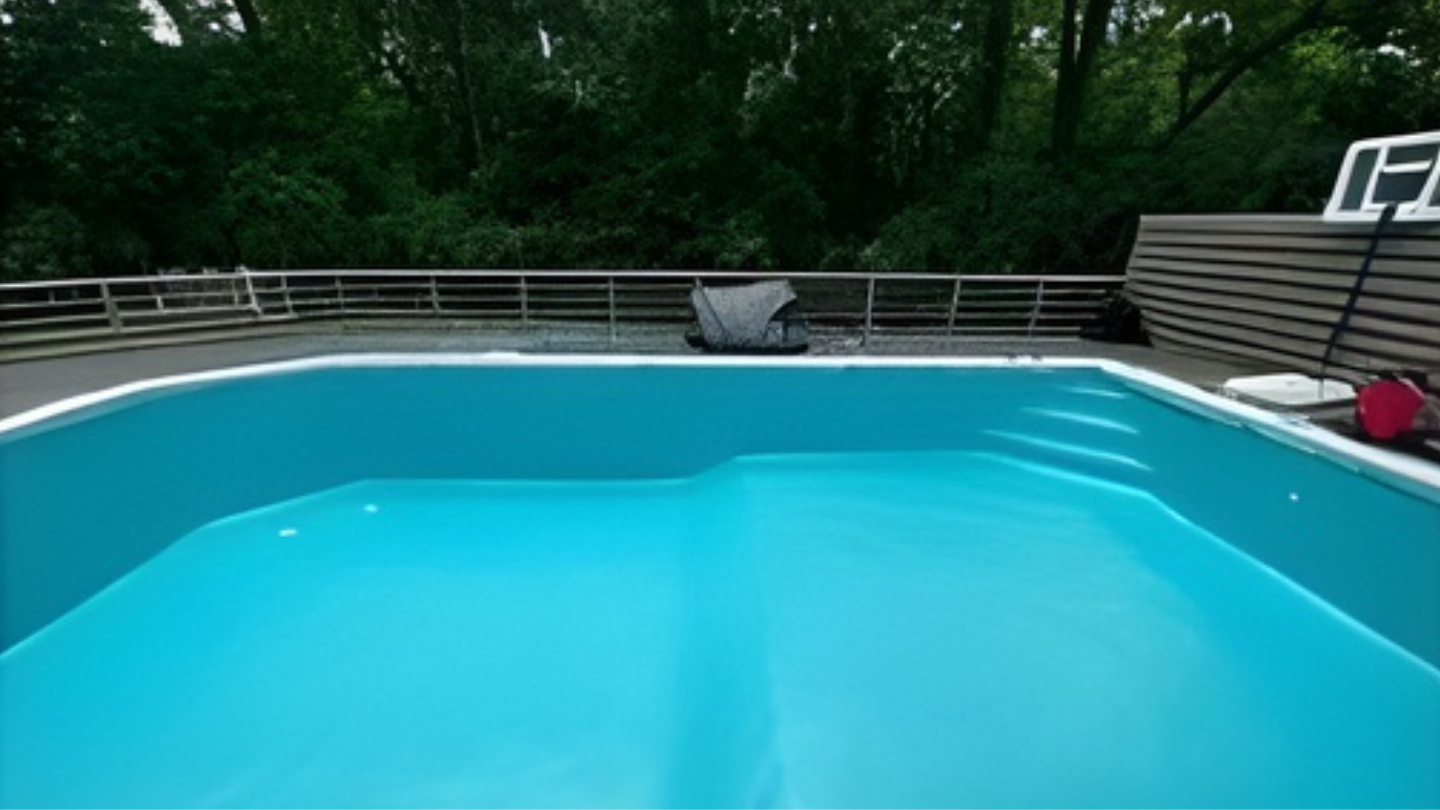
Choosing the right swimming pool paint can feel overwhelming with so many options, surfaces, and conditions to consider. In the blog, we break down everything pool owners need to know, from understanding different pool surfaces and existing coatings to comparing paint types, durability, climate considerations, and preparation requirements. Whether you’re planning a DIY refresh or evaluating long-term performance, this blog helps you make an informed, practical decision for lasting results.
Key Takeaways
- The right pool paint depends on your pool surface material, existing coatings, local climate, and whether you prioritize maximum durability or quick, easy application. There’s no universal “best” option.
- For bare or new concrete and fiberglass pools, two-part epoxy is typically the longest-lasting choice at 5–8 years, while water-based acrylic works best when you need fast drying, easier DIY application, or are uncertain about the previous coating.
- Paint compatibility is critical when repainting: you generally cannot apply acrylic over epoxy or epoxy over chlorinated rubber without full removal or a confirmed tie-coat system; mismatches lead to peeling failures.
- Correct timing (cool, dry weather in fall or early spring) and thorough surface prep (washing, acid washing, sanding, complete drying) determine success more than the paint brand itself.
- Colour and finish choices affect more than appearance; they influence water temperature, glare, floor visibility, and slip resistance on steps and ledges.
Why Paint a Swimming Pool Instead of Re-Surfacing?
Painting your swimming pool offers a lower-cost alternative to full resurfacing, like new plaster or tiles, and a capable DIYer can often complete the project over a weekend, plus curing time. When budget matters but your pool shell remains structurally sound, paint delivers impressive results without the expense of demolition and reconstruction.
Pool paint creates a waterproof barrier on concrete, Gunite, or rendered surfaces that reduces water loss through micro-cracks while helping protect reinforcing steel from corrosion. This protective coating seals porous substrates and prevents chemicals from penetrating the shell, extending the life of your pool structure.
Repainting can dramatically refresh faded, stained, or mottled shells from the 1990s–2000s without the cost of re-tiling. For a typical residential inground pool (around 8m × 4m), a quality repaint costs a fraction of resurfacing while delivering a clean, vibrant finish that can last several seasons.
Situations where pool paint is the ideal choice:
- Older concrete pools with sound structure but worn, chalky, or discoloured finish
- Budget-conscious upgrades before selling a home or starting a new season
- Rental properties where a quick facelift refreshes curb appeal
- Pools needing a colour change to match the surrounding landscaping or an updated patio design
Paint also enables subtle safety improvements: better contrast on stairs and steps, a less slippery finish on tanning ledges using anti-slip additives, and darker colours that can improve bottom visibility for supervising swimmers.
Understanding Pool Surfaces and Existing Coatings
Knowing what your pool is made from and what was used previously is the single biggest factor in choosing the correct paint system. Get this wrong, and even premium paint will peel within the first season, no matter how carefully you applied it.
Common pool structures and surfaces:
- Cast concrete and Gunite/shotcrete shells: The most common inground pool construction, featuring a porous surface that accepts paint well when properly prepared
- Plaster or render finishes: Applied over concrete, these smooth surfaces can be painted if sound but may need repair if crazed or friable
- Fiberglass shells: Non-porous surfaces requiring specialized primers and typically epoxy-based systems
- Steel or aluminum pools: Above-ground and some older inground designs with metal walls needing corrosion-resistant primers before coating
To identify your existing coating, look for visual clues: epoxy paint typically appears glossy and thick, while acrylic looks thinner with a more matte finish. Consider when the pool was last painted, epoxies became more common for long-life residential jobs from around 2010 onward. Manufacturers often recommend simple solvent tests where you rub acetone on the surface for 30–40 seconds; if it turns sticky, you likely have chlorinated rubber paints.
Cracks, hollow spots, and chalking must be repaired or removed before any new paint is considered. Otherwise, the new coating will fail early regardless of quality, since it relies on proper adhesion to a stable substrate.
Main Types of Swimming Pool Paint
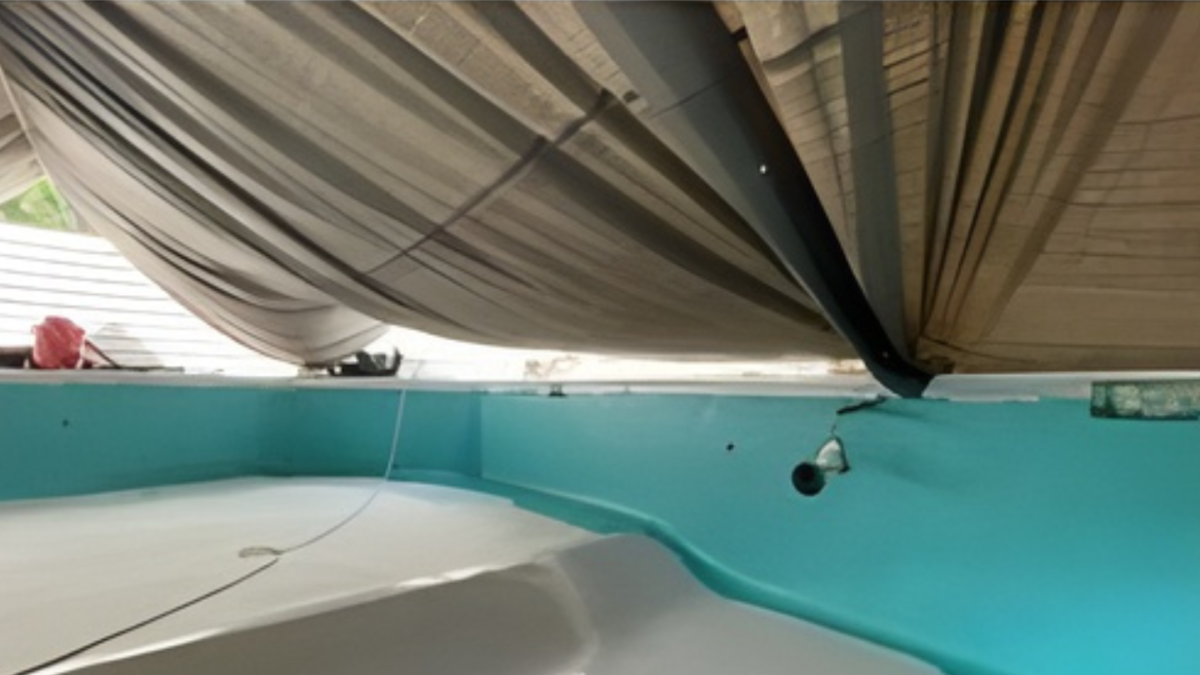
There are three main types of modern pool paint: two-part epoxy, chlorinated rubber (now largely legacy or restricted in many regions), and water-based acrylic. Specialty products like polyurethane topcoats exist for commercial applications, but residential pool owners will typically choose from these main types.
| Paint Type | Typical Lifespan | Cure Time Before Filling | Coverage (per gallon) | Best For |
| Epoxy | 5–8 years | 5–7 days | 150 sq ft | Bare concrete, fiberglass, high-use pools |
| Acrylic | 2–3 years | 3–5 days | 250–275 sq ft | Repaints, uncertain existing coatings, quick turnarounds |
| Chlorinated Rubber | 2–4 years | 5–7 days | 250 sq ft | Legacy systems (restricted availability) |
Durability, chemical resistance, and cost vary significantly between types of pool coatings. Heavy commercial facilities with constant bather loads need different solutions than lightly used holiday properties. Match your paint choice to actual pool usage rather than selecting based on brand alone.
Water-based paint vs solvent-based paint is an important underlying distinction that helps explain why different pool coatings perform the way they do. Water-based systems, such as acrylic pool paint, use water as the primary carrier, contributing to lower odour, simpler cleanup, and easier application, especially in residential or enclosed pool environments.
Solvent-based coatings, including epoxy and traditional rubber paints, rely on chemical solvents to deliver higher film strength, enhanced chemical resistance, and longer service life once cured. Understanding the difference between water-based paint vs solvent-based paint provides valuable context when evaluating durability, curing behaviour, ventilation needs, and overall suitability for different pool conditions.
Epoxy Pool Paint
Epoxy pool paint is a two-component system consisting of resin and hardener that must be accurately mixed, typically at a 4:1 ratio, and used within a “pot life” window of 1–3 hours at 20°C. Once mixed, the chemical reaction begins, and you cannot stop it. This demands precision and planning that some DIYers find challenging, but the results justify the effort.
Epoxy paint is best suited for bare concrete, Gunite, and fiberglass pools. It’s the preferred choice when renovating a structurally sound inground pool where the owner wants 5–8 years between recoats. For high-use pools in harsh environments, intense sunlight, extreme temperature swings, or heavy bather loads, epoxy delivers unmatched performance.
Strengths of epoxy paint:
- High resistance to chlorine, salt systems (including modern salt chlorinators), UV radiation, and abrasion
- Superior adhesion and low permeability prevent water blistering or peeling
- Hard, non-porous, glossy finish that resists algae growth and cleans easily
- Withstands robotic cleaners and vacuum heads without scuffing
Limitations to consider:
- Longer cure times (often 5–7 days for outdoor pools, up to 14 days for indoor pools with limited airflow)
- Sensitivity to humidity and dew during application
- Higher material cost per gallon than acrylics, sometimes 40–50% more
- Shorter pot life demands organized, efficient application
Common epoxy colours on the market include light blues, darker ocean blues, off-whites, and greys. Colour appears differently at various depths: a light blue that looks vibrant in the 1.2m shallow end will appear deeper and more saturated in the 2m deep end. Request sample chips or painted boards to view underwater before committing.
Acrylic Pool Paint
Acrylic pool paint is a water-based, single-component coating that’s significantly easier for first-time DIYers to apply. Brushes rinse in water, cleanup is simple, and the paint typically dries to recoat within a few hours in 20–25°C conditions. For pool owners who value convenience and fast turnaround, acrylic paint offers compelling advantages.
Acrylic is often used when repainting older pools first coated in the 1990s–2000s, particularly when the type of original paint is uncertain. Many modern acrylics are marketed as “universal” over most existing sound coatings, making them a safer choice when you can’t determine what was previously applied.
However, acrylics have shorter average lifespans, often 2–3 seasons in harsh sunbelt climates like Arizona or Queensland, though possibly longer in milder climates like the UK. They’re somewhat less resistant to constant chemical imbalance and heavy chlorine exposure.
Key strengths of acrylic paint:
- Fast curing allows water filling in 3–5 days
- Ability to tolerate slightly damp surfaces at application (check label specifications)
- Lower VOCs and reduced odour, suiting indoor pools with limited ventilation
- Lower upfront cost, around $0.20–0.50 per square foot, cheaper than epoxy
- Easier learning curve for DIY application
Consider this scenario: a community pool manager needs to reopen before Memorial Day in the US, but has only a compressed maintenance window. Acrylic paint’s fast cure time and forgiving application make it the practical choice, even if it means repainting again in two or three seasons.
Chlorinated Rubber and Other Legacy Paints
Chlorinated rubber paints were historically popular for their easy single-component application and good water resistance. However, they’re now restricted or discontinued in many regions due to environmental and solvent regulations, particularly in California, parts of Europe, and Australia.
If your pool was last painted before about 2010 with a rubber product, confirm availability and compatibility carefully. Many manufacturers no longer support this chemistry, and finding matching products becomes increasingly difficult.
Critical compatibility rules for chlorinated rubber:
- Epoxy paint should never be applied directly over chlorinated rubber, as this causes delamination
- Acrylics may only be used if specifically labelled as compatible
- If neither option applies, full mechanical removal (bead blasting or grinding) is required
Specialty systems like polyurethane or polyaspartic topcoats exist mostly for commercial facilities. Residential pool owners should follow manufacturer-recommended systems rather than mixing chemistries. Other paints designed for different applications (garage floors, marine use) are not rated for pool chemicals and should be avoided entirely.
Matching Paint to Your Pool Surface and Usage
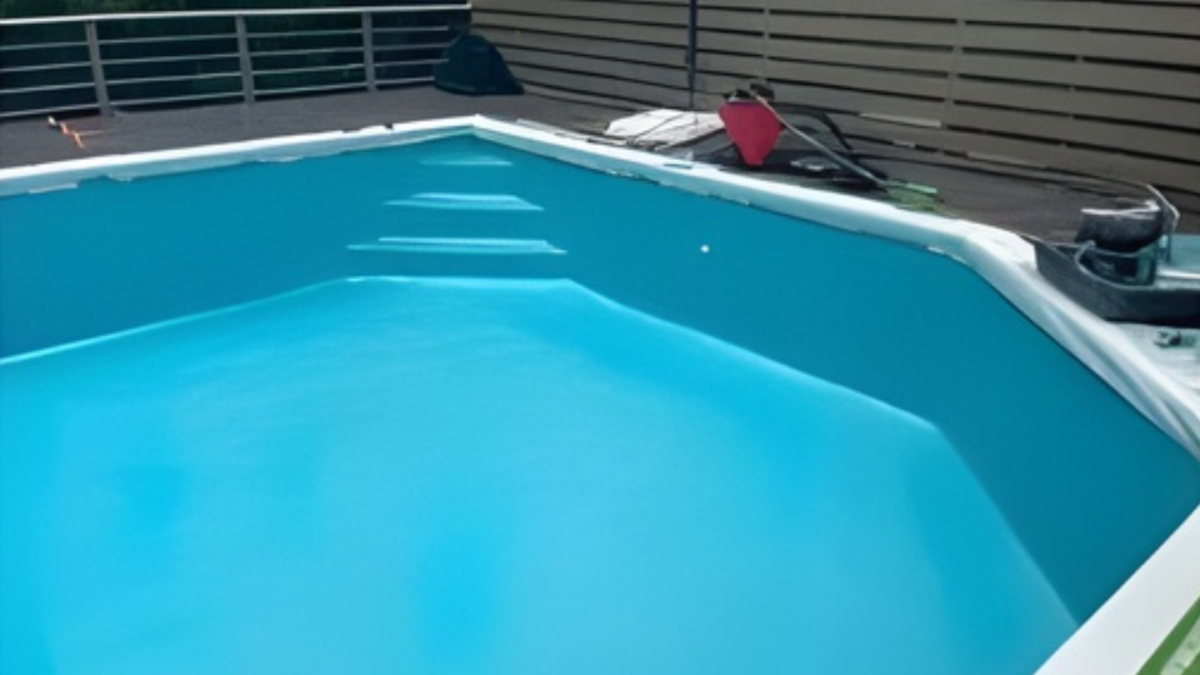
Surface type and how the pool is used, family recreation, rental property, hotel amenity, or lap training, should guide paint choice more than brand marketing alone. A high-end epoxy system is wasted on a lightly used vacation home pool, while budget acrylic on a commercial facility will create constant maintenance headaches.
Recommended matches based on surface and use:
- Two-part epoxy: New or sandblasted unpainted concrete, fiberglass shells, high-use family pools, salt chlorinator systems
- High-build epoxy: Commercial pools with heavy bather loads, public facilities, hotel pools
- Acrylic: Older pools with previously painted surfaces, uncertain existing coatings, pools needing frequent colour refreshes, budget-conscious residential applications
Plaster pools from around 2000–2015 can be painted successfully if the plaster remains sound. However, friable or heavily crazed plaster should be repaired or replaced first; paint cannot bridge structural failures in the substrate.
For indoor pools with limited ventilation, especially in cooler climates like northern Europe or Canada, low-VOC acrylic systems reduce odour and fume concerns while still delivering adequate protection for lighter-use applications.
Repainting Over Existing Coatings
Incorrect overcoating is one of the most common reasons new paint fails within the first season. Peeling, blistering, or flaking can appear within weeks of filling, a frustrating and expensive outcome after significant prep work.
Clear compatibility rules to follow:
- Epoxy can generally be applied over sound, sanded epoxy
- Acrylic should not go over cured epoxy (adhesion failure likely)
- Neither epoxy nor acrylic should go directly over unknown rubber paints without confirmation
- Not all paints marketed as “universal” truly bond to all existing coatings; verify with the manufacturer
Manufacturers recommend adhesion tests, such as cross-hatch tape tests, conducted on cleaned, dry surfaces. Score a grid pattern into the coating with a utility knife, apply strong tape, and pull sharply. If more than 10% of the squares lift, the existing layer isn’t bonded well enough to receive a new coat.
If more than 30–40% of an old coating is peeling, bubbles are forming, or significant chalking rubs off on your hand, the only reliable approach is complete removal back to bare substrate. This is more labour-intensive and adds cost, but painting over failing coatings guarantees early failure of the whole pool finish.
Considering Climate, Sun Exposure, and Chemistry
Local climate, hot and dry, hot and humid, or cool and temperate, influences both your application window and long-term performance. A dark blue epoxy in a high-UV region like southern California will experience faster fading around the coping line compared to the same colour in milder locations like the UK Midlands.
Climate considerations for paint selection:
- Hot, sunny climates accelerate UV degradation and chalking; lighter colours and UV-resistant epoxies perform better
- Humid environments require careful attention to dew points and moisture during application
- Cooler climates allow longer work windows but may extend cure times significantly
- Coastal areas with salt exposure can halve the expected paint lifespan on certain paints
When and How to Paint: Timing and Surface Preparation
Even premium paint will fail if applied to a dirty, damp, or poorly prepared surface. Reputable manufacturers attribute over 80% of coating failures to prep issues rather than product defects. Proper preparation isn’t optional; it’s the foundation of a successful project.
Avoiding Blisters, Bubbles, and Peeling
Trapped moisture in the shell or painting under the hot midday sun can cause solvent boil and blisters that appear within days of filling the pool. These defects often require stripping and repainting affected areas, a frustrating outcome after careful preparation.
Prevention strategies:
- Paint in the morning or late afternoon when the shell is cooler
- Keep the surface shaded where possible during application and early curing
- Never paint when surface temperature exceeds manufacturer recommendations (often around 32°C / 90°F)
- Avoid painting if rain is forecast within 24–48 hours
To test dryness before painting, tape a clear plastic sheet to the pool surface overnight. Check for condensation the next morning; any moisture trapped under the plastic indicates the substrate isn’t dry enough. Wait additional days and retest.
All cracks and hollow spots should be repaired with compatible patching materials at least 24 hours before coating. Use epoxy fillers for epoxy systems and cementitious repair mortars for bare concrete. Rushing repairs or using incompatible fillers creates weak points where the new coating will eventually fail.
Colour, Finish, and Safety Considerations
Pool colour trends in 2024 lean toward natural, lagoon-inspired blues, pale turquoise, and soft greys. However, pool owners should prioritize practical factors, glare, water temperature, visibility, and safety over aesthetics alone.
Light colours (white, pale blue, aqua):
- Create a bright, resort-style appearance
- Make debris and stains highly visible for easier cleaning
- Can increase glare under midday sun
- Show algae and mineral stains more readily
Mid-tone and darker blues:
- Slightly warm water in cooler climates by absorbing more sunlight (up to 5–10°F difference)
- Create a deeper “ocean” or lagoon look
- Better mask minor imperfections in older pool surfaces
- May accelerate fading in high-UV environments
Neutral greys and quartz tones:
- Gained significant popularity in 2022–2024 for modern, architectural homes
- Blend well with concrete patios and minimalist surrounding landscaping
- Offer sophisticated appearance without the maintenance challenges of very dark finishes
Safety considerations for colour selection:
- Use contrasting colours on steps, benches, and shallow shelves for visibility
- Add anti-slip additives around ladders, entries, and tanning ledges
- Avoid overly dark finishes in public pools where floor visibility regulations apply
- Ensure the whole pool floor remains visible from deck level for supervising swimmers
Testing and Choosing Your Final Colour
Before committing to a colour, paint sample boards or off-cuts with candidate colours and view them underwater at typical depths (e.g., 0.6m shallow, 1.8m deep) at different times of day. Colours shift dramatically between air and water, and between morning shade and afternoon sun.
Water chemistry and lighting significantly impact colour perception. Modern LED pool lights installed after about 2018 render colours differently than older halogen systems. Check your colour samples at dusk with lights on and at midday in natural light to understand the full range of appearance.
Budget, DIY vs. Professional, and Product Selection
Choosing between DIY and professional installation affects both cost and risk. DIYers mainly pay for paint, prep chemicals, and tools, while hiring a professional adds labour cost but can significantly reduce the risk of premature failure and the frustration of rework.
Criteria for selecting a quality paint product:
- Clear, current technical data sheets with specific coverage and cure time information
- Good technical support via phone or email for application questions
- Proven field history of at least 5–10 years in your climate zone
- Compatibility charts that explicitly cover repaints over different types of existing systems
Verify warranty terms for both materials and workmanship before starting. Document application dates, weather conditions, batch numbers, and photos during the project. This documentation protects you if warranty claims become necessary.
Final Thoughts
Choosing the right swimming pool paint comes down to understanding your pool’s surface, existing coatings, local climate, and how the pool is actually used. There is no single “best” paint for every pool, long-lasting epoxy systems suit high-use and bare concrete or fiberglass pools, while acrylic paints offer faster curing and easier application for repaints or uncertain substrates. Just as important as product selection are correct timing, meticulous surface preparation, and compatibility between old and new coatings. When these factors align, pool paint can deliver a cost-effective, attractive, and durable finish that protects your pool structure for years.
US SPECIALTY COATINGS offers a comprehensive range of high-performance swimming pool paints and professional-grade coating solutions engineered for durability, chemical resistance, and long-term performance. Beyond pool applications, their portfolio includes advanced specialty coatings for demanding environments, high-performance direct-to-metal paints designed for corrosion protection, purpose-built EV charging station coatings that support modern infrastructure, and innovative grass colorants and landscape dyes for turf and landscape enhancement. Together, these solutions reflect a commitment to quality, performance, and reliable results across residential, commercial, and industrial applications.
Frequently Asked Questions
How long should pool paint last before I need to repaint?
Epoxy paint lasts five to eight years, while acrylic paint lasts two to three seasons in harsh climates and longer in mild regions. Poor prep, unbalanced water, UV exposure, and salt systems shorten lifespan significantly.
Can I switch from plaster or tiles to paint, and what should I consider?
Paint can be applied to sound plaster with proper preparation, including acid washing and rinsing. Painting tiles requires specialty primers, with less predictable results. Loose or damaged tiles should be removed, and specialists consulted first.
Is pool paint safe for saltwater pools and children?
Modern epoxy and acrylic pool paints are safe for chlorinated and saltwater pools once cured. During application, follow safety guidance, ensure ventilation, use protective gear, and keep children and pets away until curing is complete.
What happens if it rains after I paint my pool?
Rain within 24 to 48 hours can damage fresh pool paint, causing discoloration, soft spots, or texture issues. If affected, let surfaces dry, inspect damage, then sand and recoat as needed. Monitor forecasts before painting.
Do I need to use a primer, and when is it necessary?
Primer is required for bare concrete, Gunite, and fiberglass pools to ensure adhesion. Primers fill pores and improve bonding. Previously painted surfaces may not need primer if recoated with that system and verified by specifications.
